The Syndication Shuffle Webinar Series: Episode 3

Georgette Suggs
Director, Data & Content Services
Georgette is a Content & Data services professional with over 15 years of CPG brand owner/manufacturer experience. Over a decade of that time was focused on product data and content management & synchronization. Her strengths include an intense passion for and deep knowledge of GS1 Standards and the Global Data Synchronization Network (GDSN). She is certified in Salsify PIM and Syndication, and has extensive experience in multiple retailer & operator specific systems, as well as Syndigo and 1WorldSync.
While she currently lives in a land-locked state, she loves the ocean and finds time to visit it as often as she can.
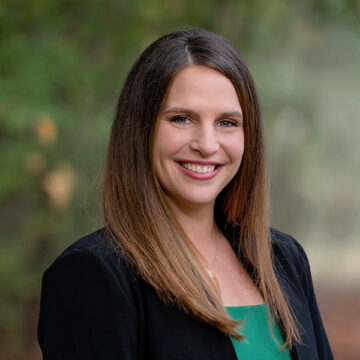
Jessica Bagby
Senior Director, Managed Services
Jessica is the Senior Director of Managed Services with a passion for helping brands fully leverage PIM to improve business processes and sell on digital shelf. Her wide range of experience in retail E-Commerce, digital merchandising, brand marketing and sales operations brings cross-functional knowledge to share with clients. Her favorite part of every project is getting to know each stakeholder to create strong relationships and build trust. In 2019, she was recognized by Salsify as a “Digital Transformer” based on her pioneering Salsify work in the sporting goods industry. Jessica lives in St. Louis, Missouri with her husband, and two kids. Their favorite weekends are spent at Table Rock Lake where they love to boat, water ski and hike.

Watch the Recording now!
Episode 3: Foundations in Action
This episode of the Syndication Shuffle series brings the conversation full circle. After exploring the importance of strong data foundations in Episode 1 and scalable processes in Episode 2, we now turn to how these pieces fit together in practice.

We’re joined by Dawn Powell, Manager of eCommerce at Kids2, who will share how her team applies these foundational principles and processes to build a programmatic approach to syndication.
Attendees will gain insight into how a leading brand operationalizes syndication strategy, ensuring consistency, scalability, and long-term success.
Transcript
Speakers: Jessica Bagby (Senior Director, Managed Services, Sitation) and Georgette Suggs (Director, Data & Content Services, Sitation),
Guest: Dawn Powell (Dawn Powell, Manager of eCommerce, Kids2)
Georgette Suggs:
Welcome to The Syndication Shuffle Episode 3. Today we are putting foundations and process into action. I am Georgette Suggs, Director of Data and Content Services at Sitation. I have worked in PIM environments for many years and I love all things product data. Jessica?
Jessica Bagby:
Hello and welcome back. I am Jessica Bagby, Senior Director at Sitation, overseeing Managed Services. I have worked across PIMs and digital shelf programs for more than a decade. We are excited to have a special guest today.
Georgette:
We are joined by Dawn Powell from Kids2. If you follow PIM and content operations, you may have seen her on other webinars and podcasts. Dawn, thanks for being here. Tell us about you and Kids2.
Dawn Powell:
Thanks for having me. Kids2 is a baby company behind products like bouncers, rockers, and toys. Our goal is to make parenting a little easier, one tiny win at a time. The brand most people recognize is Baby Einstein, which celebrates its 30th anniversary in 2026. I manage e-commerce at Kids2 and administer our Salsify instance, so I focus on the data and the workflows that get content to retailers.
Jessica:
Love the products. My kids are big fans of Opus from Baby Einstein.
Dawn:
That is Opus. He is part of the Baby Einstein line.
Georgette:
Quick context for new viewers. The Syndication Shuffle focuses on people, process, and technology for managing product data and content. We use “data” and “content” together since they must align. We try to stay software agnostic, and we partner with several platforms and service providers. Episodes 1 and 2 are available on sitation.com. Please drop questions in the chat and we will do our best to answer.
Building a strong data model in the real world
Georgette:
Our first two episodes covered the foundations and the process for syndication. Today is about reality. Dawn, how do you make sure you have a strong data model at Kids2?
Dawn:
Structure matters, but people are what make the model work. About four years ago we completed a data-model audit and defined governance. That means: where information comes from, sources of truth, what truly belongs in the PIM, and what partners require. We documented inputs and outputs, then made sure teams understood how their contributions affect one another.
Jessica:
Which teams are involved and how do you collaborate?
Dawn:
We use Salsify extensively, almost as a cross between a PIM and a PLM. Upstream data flows from engineering and product teams, including dimensions and ship-to countries, with additional values entered through tasks and workflows. Team members see how their inputs affect other groups and the end-to-end delivery to customers.
Georgette:
For anyone newer to the space: PLM is Product Lifecycle Management, which manages product development through launch and beyond.
Dawn:
Exactly. Some data syncs in from systems like SAP and PLM on a regular cadence. Workflows assign the right tasks at the right time. For example, at a specific gate the copywriter gets a task to add copy or to use AI for a first draft, then Legal reviews and approves. We also use subscriptions so stakeholders can self-manage notifications when content changes or becomes available.
Jessica:
Do you have safeguards to keep groups accountable, such as reporting or a steering committee?
Dawn:
Yes. We use automated validations and manual audits. If a case weight is lighter than the product weight, the system flags it and assigns a task. Teams also own periodic audits.
Jessica:
So the tech validates, and people validate. That balance is key.
Dawn:
It is all about people. With staff changes, training is continuous. We hold three training sessions per month, targeted by team. We record them, but live sessions create relationships so people feel comfortable asking for help. We run a WebEx chat group for Salsify users, post weekly tips, and we even gamify tasks with a lighthearted “Tasky Award.”
Jessica:
Lead with the carrot. Love it.
From model to motion: getting content out the door
Georgette:
We have structure, content, and trained teams. How do you get data out to trading partners?
Dawn:
Some channels are straightforward. For Amazon, Walmart, and Target we have digital merchandising managers who are hands-on. For other retailers we focus on education, especially with sales, so people do not resort to copy-paste or VLOOKUPs. We remind teams there are easier, governed ways to deliver content.
Georgette:
How do senders know content is ready? Do you automate or trigger manually?
Dawn:
Both. For certain partners we automate with a Date Updated property. Anything updated in the last 24 hours can auto-publish nightly. For others, such as Amazon, we want a merchandiser to review and then publish, since Amazon changes often. We tailor the approach by channel. Walmart can run on daily automation. Amazon benefits from human verification.
Jessica:
That is an important mindset. Not all channels behave the same, so do not force a single delivery pattern everywhere. Pick the structure that makes each one successful.
Team structure and ownership
Georgette:
Where does your PIM function sit in the organization?
Dawn:
My role sits on the e-commerce team, which is the end user for retailer delivery. Digital merchandisers and digital marketing managers sit in e-commerce as well. Some companies put PIM in IT. That can work, but the administrator needs strong e-commerce knowledge to understand retailer expectations and challenges. It is a cross-functional role that lives between e-commerce and IT, with close relationships across the business.
People first: the hardest and most valuable part
Georgette:
Your biggest ongoing challenge?
Dawn:
People. Data is often simpler than change management. My job is part platform owner and part customer service. You need education, clear guardrails, and alignment with company ways of working. Connecting the dots across teams is the hardest part, and the most important.
Jessica:
How do you manage change when new requirements arrive, such as regulations or data points for new channels?
Dawn:
We partner with the teams that own the knowledge. For recent EU recycling requirements, we identified where information lives today, what can move into Salsify, and where formulas can compute values such as cardboard weight for case packs. Then we map outputs per channel in the formats they require, for example meters versus centimeters.
Georgette:
You also shared a batteries example.
Dawn:
Right. A team member needed battery counts for reporting. We built a dedicated channel that outputs an Excel file with the math already done, on a set cadence. It is not always about syndication to a retailer. Sometimes the PIM powers internal reporting and saves people from juggling multiple spreadsheets.
Georgette:
Exactly. PIM is not only for product pages. It can answer operational and compliance questions quickly in a governed way. If a partner wants an Excel file, give them an Excel file. If they want an API, use the API.
What is next
Georgette:
Thank you, Dawn. Many of your points could be full webinars on their own, like change management and notification structures. Jessica, want to preview the next episode?
Jessica:
Next time we will get into metrics for PIM and syndication. We will talk about KPIs that demonstrate value and ROI, and how to connect program outcomes to business impact. Please join us.
Georgette:
Before we wrap, one final question for Dawn. What are you most looking forward to in 2026 for your program at Kids2?
Dawn:
AI. We are working with Sitation to launch AI-assisted content creation and workflows. I am excited about the time savings and the ability to move content through workflows faster, including document extraction and smoother ingestion to and from Salsify with less manual effort.
Jessica:
We love to hear it. We look forward to an update next year.
Georgette:
Thank you, Dawn, and thanks to everyone who joined. See you next time.
Jessica:
Thanks all. Bye.
Catch up on earlier episodes: Episode 1: Foundations for Growth and Episode 2: Process in Practice
